Private Yacht Charter in Croatia Around $50,000: What Can Your Client Expect?
What does $50,000 a week actually get your client in Croatia? Here's the honest breakdown of budget, boat, crew, and who this charter tier really suits.

Why September and October Are Two of the Best Months to Travel To Croatia?
Peak summer isn't the only smart pitch. Here's why September and October give your Croatia clients better weather, fewer crowds, and richer experiences.
Via Croatia·Sep 25, 2026Every advisor defaults to the same pitch eventually. Croatia means July and August, book early, hope the good villas are still open. It's not wrong, exactly, but it's incomplete, and it's quietly costing advisors a stronger sell for a growing share of their clients.
September and October have become genuinely one of the best windows for a luxury Croatia trip, not a compromise for clients who missed the summer rush. The weather still delivers, the crowds thin out considerably, and the coast moves into its richest culinary season of the year. Here's why shoulder season deserves a real pitch of its own, and which clients are ready to hear it.
The shift is showing up clearly in booking data. Recent industry figures found European summer bookings down 10% year over year, while European fall bookings climbed 25% and U.S. fall bookings jumped 40% over the same period. Affluent travelers are deliberately choosing shoulder season for thinner crowds, softer weather, and better access to the rooms and tables that sell out in peak summer, rather than treating fall as a fallback option.
Croatia specifically was named among the destinations gaining the most from this redistribution, alongside Montenegro and Albania, as travelers who've already done a crowded European summer look for the same coastline with none of the congestion. One industry leader summed up the mindset behind the shift simply: clients want the place before it's crowded, and the season before it's obvious. September and October in Croatia deliver exactly that.
This is usually the first objection a client raises, and it's worth answering with real numbers rather than a vague reassurance. Sea temperatures in September typically run between 23 and 26 degrees Celsius, often warmer than June, with air temperatures in the mid-to-high 20s during the day. Swimming is not just possible, it's genuinely comfortable well into the month.
October cools gradually rather than suddenly. Early October still holds sea temperatures around 20 to 22 degrees, and the days stay sunny and mild along the coast even as the month progresses. By late October, a client should expect a noticeably crisper trip, better suited to coastal walks, wine, and long dinners than a full week of swimming. Either month still delivers reliably good weather for a luxury coastal trip, just with a different character depending on where in the window a client lands.
The practical takeaway for advisors is to treat September and early October as the strongest window for a client who still wants real beach and boat days, and mid-to-late October as the better fit for a client whose trip leans more toward culture, food, and slower island time. Framing the choice that way, rather than presenting the whole autumn as one undifferentiated season, makes it much easier to match a client's actual priorities to the right week on the calendar.
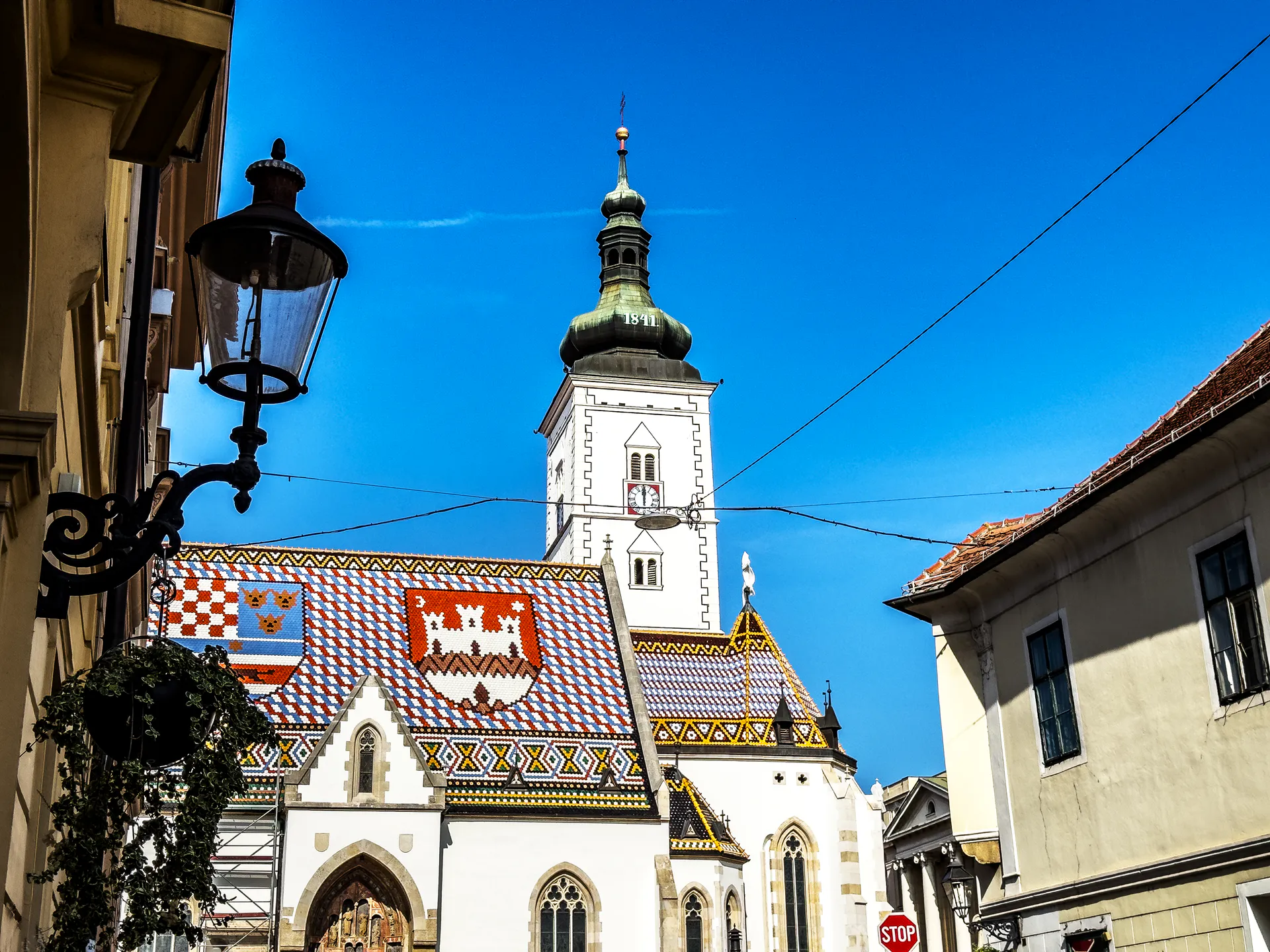
Meaningfully quieter, though not empty. Hvar and Dubrovnik both see a real drop in visitor volume once August ends, enough that a client walking through Dubrovnik's old town in late September notices the difference immediately compared to peak summer. That said, this isn't a secret only Via Croatia knows about anymore, and the best properties in these towns still book up four to six weeks ahead for September specifically, so early planning still matters even in the quieter months.
The honest pitch to a client is that shoulder season trades a small amount of spontaneity for a considerably calmer experience everywhere else. Restaurants take reservations without a week's notice, harbor towns feel like towns again rather than stages, and a walk through a famous old town doesn't mean navigating a wall of tour groups the entire way.
It's also worth mentioning to clients that cruise ship traffic drops off substantially after summer ends, which changes the daily rhythm of towns like Dubrovnik and Split more than almost anything else. A client who's heard stories about Dubrovnik's old town feeling overwhelmed in July is often surprised to learn that the same streets in late September feel entirely different once the day-tripper crowds thin out along with everyone else.
This is the part of the pitch that often gets left out entirely, and it shouldn't be, because autumn is genuinely Croatia's richest season at the table. White truffle season begins in September and runs through the winter, giving a client the chance to book a private hunt through the Motovun forest right as the season opens. Wine harvest is in full swing across Pelješac, Istria, and Slavonia during these same weeks, with cellars actively pressing and plenty of opportunities to watch or even join the picking.
Istria's olive oil reaches peak freshness right after the autumn harvest, and the oysters from Ston hit some of their best quality of the year in these cooler months. Add in the season's mushrooms and the last of the summer's grilled seafood, and a September or October trip gives a food-focused client a version of Croatia's table that a July visitor simply doesn't get access to.
None of this requires a client to plan an entire trip around food to benefit from it. A single afternoon at a working vineyard during harvest week, or a morning spent with a truffle-hunting family before lunch, adds a genuinely seasonal layer to a trip that would otherwise look the same whether it happened in June or September. For clients who've already done the standard island-hopping itinerary once before, that seasonal detail is often exactly what makes a repeat trip feel worth booking.
A private yacht charter genuinely benefits from the calendar shift. Fewer boats on the water means easier access to marinas that fight for space in August, more flexibility for a captain to adjust a route on the fly, and popular anchorages that actually feel private rather than shared with a dozen other charters. September in particular still delivers warm enough water for a full week of swimming, so our yacht fleet doesn't lose any of its appeal moving into the season, it just gains a quieter version of the same coastline.
By October, a charter shifts character slightly, leaning more on shore excursions, wine stops, and long lunches than all-day swimming, which suits a different kind of client just as well. Either way, a shoulder season charter tends to feel more like the boat belongs entirely to the group, since there's simply less competition for the same coves and harbors.
Couples are often the easiest sell, especially those who've already done a peak-summer Croatia trip and are ready for the quieter, more romantic version of the same coast. Honeymooners fit this same profile particularly well, since a September or October trip trades none of the scenery for a considerably calmer, more private setting to start a marriage.
Foodies are an obvious match given how much of Croatia's culinary calendar peaks in these exact months, from truffle season to wine harvest to the best oysters of the year. Adult travelers without school-age children, and retired clients whose schedules aren't tied to a summer break, are free to take advantage of a window most families can't access at all, and both groups tend to appreciate the calmer pace just as much as the quieter crowds.
Privacy-driven clients deserve special attention here, since they're often the fastest yes in the entire conversation. These are the clients who've told you directly, in one way or another, that crowds are their biggest frustration with peak-season travel, whether that's a packed beach club, a fully booked restaurant, or a yacht anchorage with boats close enough to touch. For that client, the shoulder season pitch doesn't need much dressing up. Simply describing the same coastline with a fraction of the people on it tends to close the conversation almost immediately.
September and October in Croatia deliver warm water, thinner crowds, and the richest food and wine calendar of the year, all without asking a client to compromise on what makes the Adriatic worth visiting in the first place. The advisors who start pitching shoulder season as a genuine first choice, rather than a fallback for clients who missed summer, are the ones building a stronger case for repeat bookings from clients who've already done July and August.
If you have a client who fits this profile, whether that's a couple, a honeymooner, a food-focused traveler, or simply someone who wants the Dalmatian coast without the crowds, schedule a discovery call with our team. We'll help you build an itinerary around exactly what makes this season special. As a DMC that partners exclusively with travel advisors, we know precisely which corners of the coast come alive once the summer crowds move on.
Take a look at some articles with similar topics that you might find interesting.
Private Yacht Charter in Croatia Around $50,000: What Can Your Client Expect?
What does $50,000 a week actually get your client in Croatia? Here's the honest breakdown of budget, boat, crew, and who this charter tier really suits.
Land or Yacht? Why the Best Croatia Trips Often Combine Both
Land gives your clients depth. The sea gives them freedom. Here's why the strongest Croatia itineraries stop choosing between the two.
Who Is the Perfect Private Yacht Client? A Qualifying Guide for Travel Advisors
Not every client belongs on a yacht. Here's how to recognize the ideal private yacht charter client and confidently pitch the right ones.