The numbers explain a lot. Global tourist arrivals have already surpassed pre-pandemic levels, and the Dolomites in particular have absorbed an outsized share of that growth. The region was splashed across nearly every "must-see" list in 2025, and its starring role in the Milan-Cortina Winter Olympics only turned up the volume. One resort, Madonna di Campiglio, has cut its daily ski pass allocation from 23,000 to 15,000 in response. Starting this summer, the Ortisei-Furnes-Seceda cableways require advance time-slot bookings just to manage foot traffic.
It is not only about comfort. Italy's National Alpine Rescue Corps logged a 20% jump in emergency call-outs as unprepared visitors chased the exact photo they had seen online, often without the right gear or training. Trails built for a fraction of today's foot traffic are eroding. Locals are frustrated. None of this is a reason to skip the Alps altogether, but it is a good reason to look at where else the range extends.
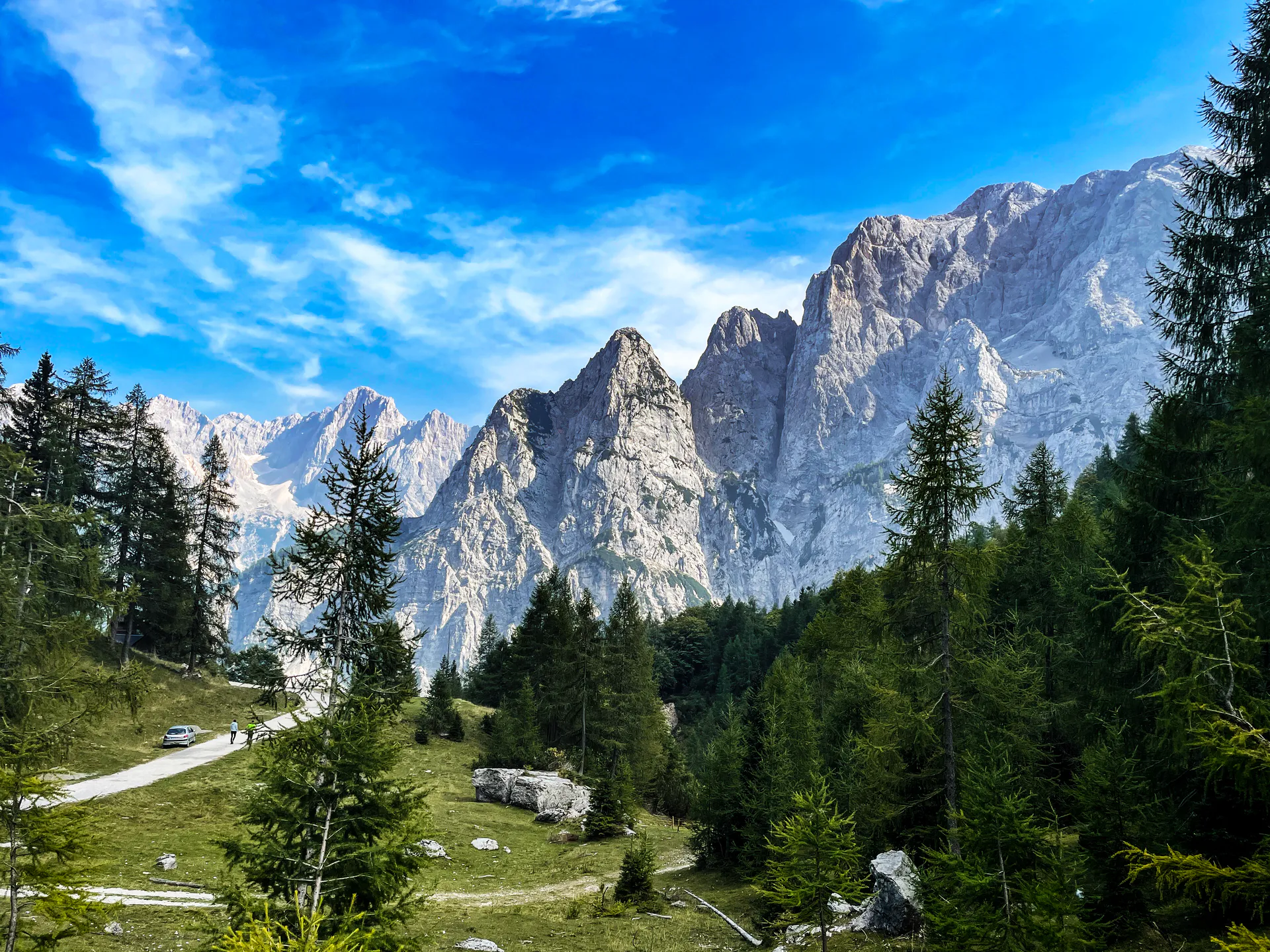
That is where Slovenia comes in. The Julian Alps stretch across the northwestern corner of the country, sharing the same limestone peaks and glacial lakes that make the Dolomites famous, just without the reservation systems and viral geotags. It is the same mountain range, told with a lot more room to breathe.